How Mobile Interfaces Influence Decision-Making in Online Card and Wheel Games
Kai Jung · Aug 14, 2026
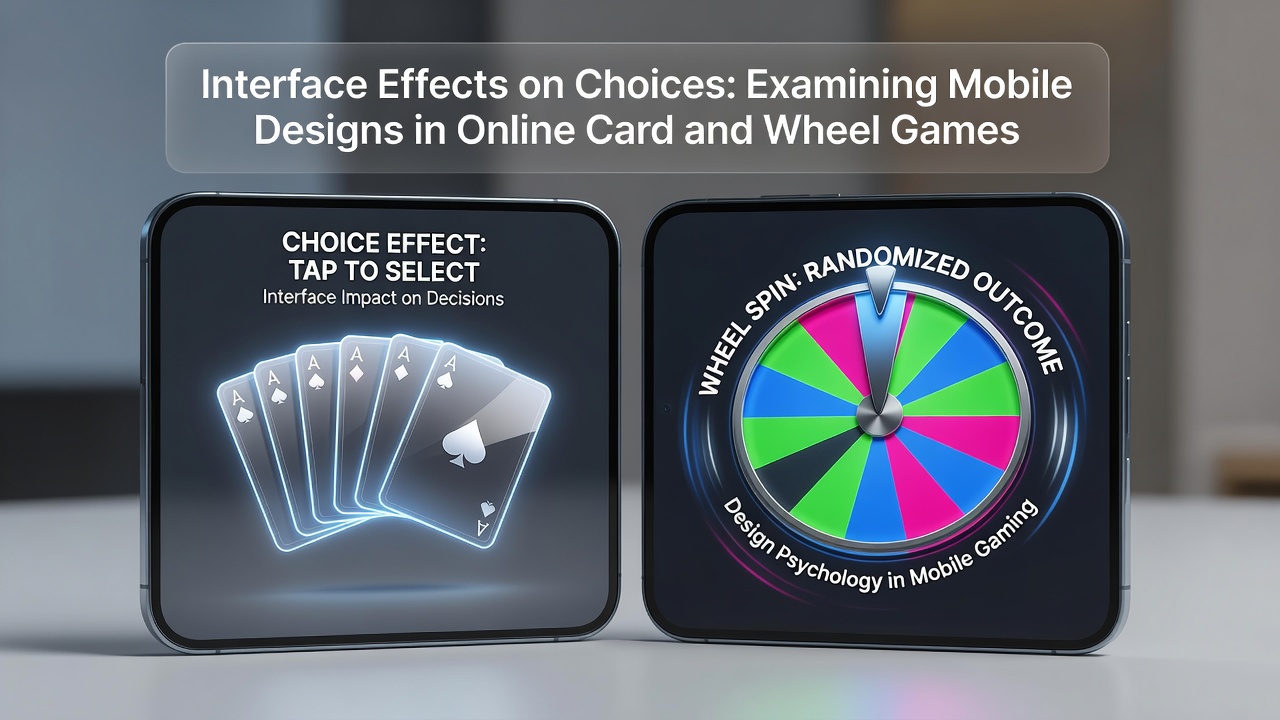
How Mobile Interfaces Influence Decision-Making in Online Card and Wheel Games
Designers craft mobile screens for card and wheel games with layouts that guide user selections through button sizes, color contrasts, and swipe gestures while data from platform analytics reveal measurable shifts in how players place bets or fold hands. Studies conducted across multiple regions show that thumb-friendly zones on smaller displays increase the frequency of certain actions, such as quick raises in poker apps, because the interface reduces the physical effort required to reach interactive elements.
Button Placement and Its Role in Game Flow
Developers position primary action buttons along the lower right edge of mobile screens in blackjack and roulette titles, and this arrangement aligns with natural right-hand dominance patterns observed in user testing sessions. Researchers at the University of Nevada documented that players using one-handed operation complete betting sequences faster when confirmation taps sit within a 60-millimeter radius of the screen edge, yet the same configuration sometimes leads to accidental selections during rapid play sequences in wheel-based games.
Color coding further directs attention, since red and green hues for bet and cancel options create visual hierarchies that studies link to quicker reaction times. Operators adjust these palettes based on A/B testing results that track session duration and wager patterns across thousands of accounts, and the outcomes indicate consistent differences in choice distribution when palettes shift from high-contrast to muted tones.
Visual Cues in Card Games on Mobile
Card game interfaces display community cards with slight overlaps or stacked arrangements that influence how quickly players assess hand strength, while swipe gestures replace traditional click mechanics in many poker clients. Data collected by the New Jersey Division of Gaming Enforcement shows variations in fold rates on mobile versus desktop versions of the same titles, with mobile users exhibiting higher instances of check-fold decisions when the interface minimizes the number of taps needed to skip a betting round.
One study from an academic team at the University of Waterloo examined baccarat apps and found that animated card flips create timing cues that correlate with increased side-bet selections, because the motion draws the eye to secondary wager panels placed near the animation path. Observers note that these effects compound during live-dealer streams where latency interacts with interface responsiveness, leading to altered pacing in decision windows.
Wheel Game Layouts and Selection Patterns
Roulette and similar wheel formats on mobile devices rely on draggable chips and segmented wheels that respond to touch velocity, and this mechanic alters how players distribute bets across number grids. Figures from industry reports compiled by the Australian Communications and Media Authority indicate that mobile roulette sessions record elevated frequencies of outside-bet placements when chip denomination buttons remain visible throughout the betting phase rather than collapsing into a menu.
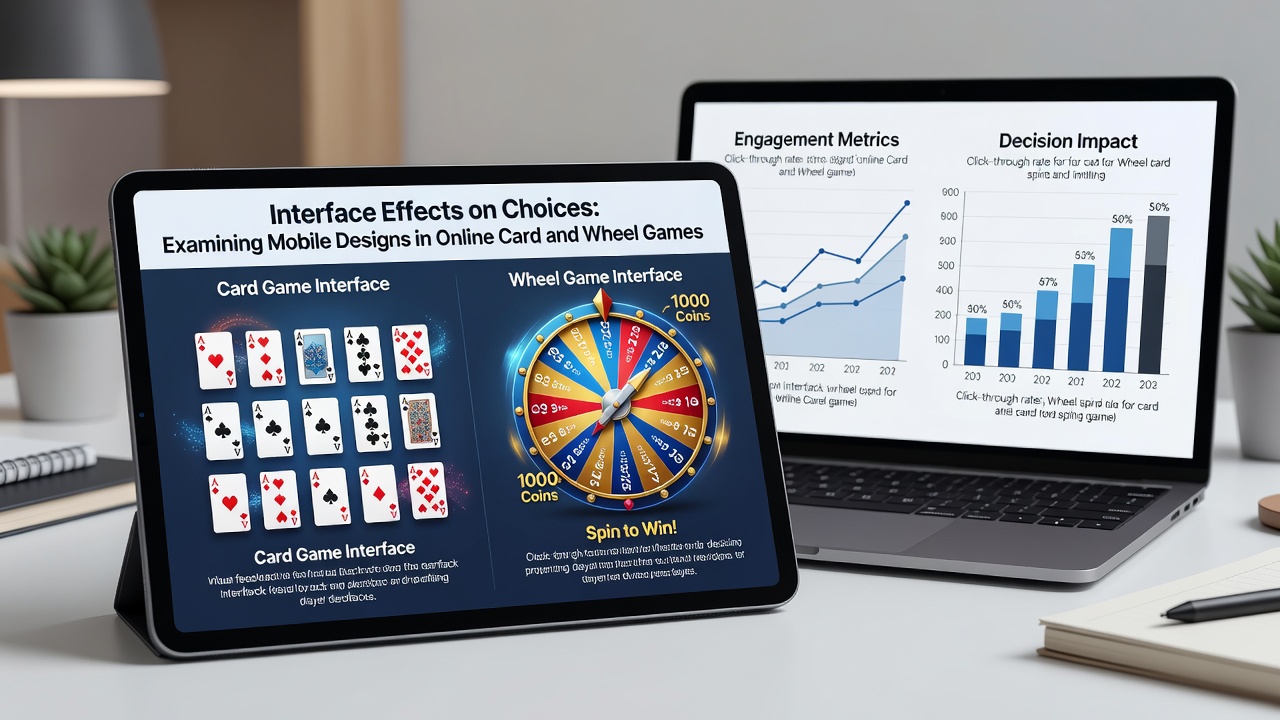
Touch-target sizing plays a documented part as well, since smaller hit areas around wheel segments increase the likelihood of neighboring selections during fast spins. Platform logs analyzed in 2026 reveal that redesigns enlarging these zones produced measurable redistribution of chip placements, particularly in games featuring progressive jackpot wheels where multiple selection layers compete for screen space.
Comparative Data Across Platforms
Cross-platform comparisons highlight that mobile designs compress information density compared with desktop counterparts, and this compression correlates with shifts in multi-bet strategies commonly seen in card and wheel titles. Research teams tracking player cohorts across North American and European markets report that mobile sessions tend toward shorter decision chains, with fewer adjustments to initial wagers once placed.
Interface elements such as persistent bet history panels and quick-rebet functions further shape repeat behavior, because one-tap repetition lowers the barrier to replicating previous choices. Analysts examining aggregated transaction data note these functions appear more frequently in wheel games, where spin cycles allow rapid iteration, while card games integrate them mainly during non-decision intervals to avoid disrupting turn order.
Emerging Trends in August 2026
Updates rolled out in August 2026 introduced adaptive layouts that resize based on device orientation and grip detection, and early telemetry from operators indicates these changes modify the distribution of high-stakes versus low-stakes selections within single sessions. Developers continue to refine haptic feedback tied to successful bets or folds, with testing protocols measuring whether vibration patterns reinforce or discourage certain interface paths.
Regulatory frameworks in several jurisdictions now require disclosure of interface modification impacts on player behavior, prompting companies to publish summary metrics that detail choice variations before and after design updates. Such reporting adds transparency to how visual and tactile elements interact with game mathematics across mobile environments.
Conclusion
Interface mechanics in mobile card and wheel games operate through measurable design variables that research consistently ties to player action patterns, and ongoing platform refinements continue to generate new datasets for analysis. Observers track these developments through regulatory filings and academic studies that document the connections between layout choices and outcome distributions without attributing intent beyond the recorded metrics.