Audio Architecture in Digital Gaming Terminals: Elements That Aid Sustained Player Focus
Kai Jung · Aug 26, 2026
Audio Architecture in Digital Gaming Terminals: Elements That Aid Sustained Player Focus
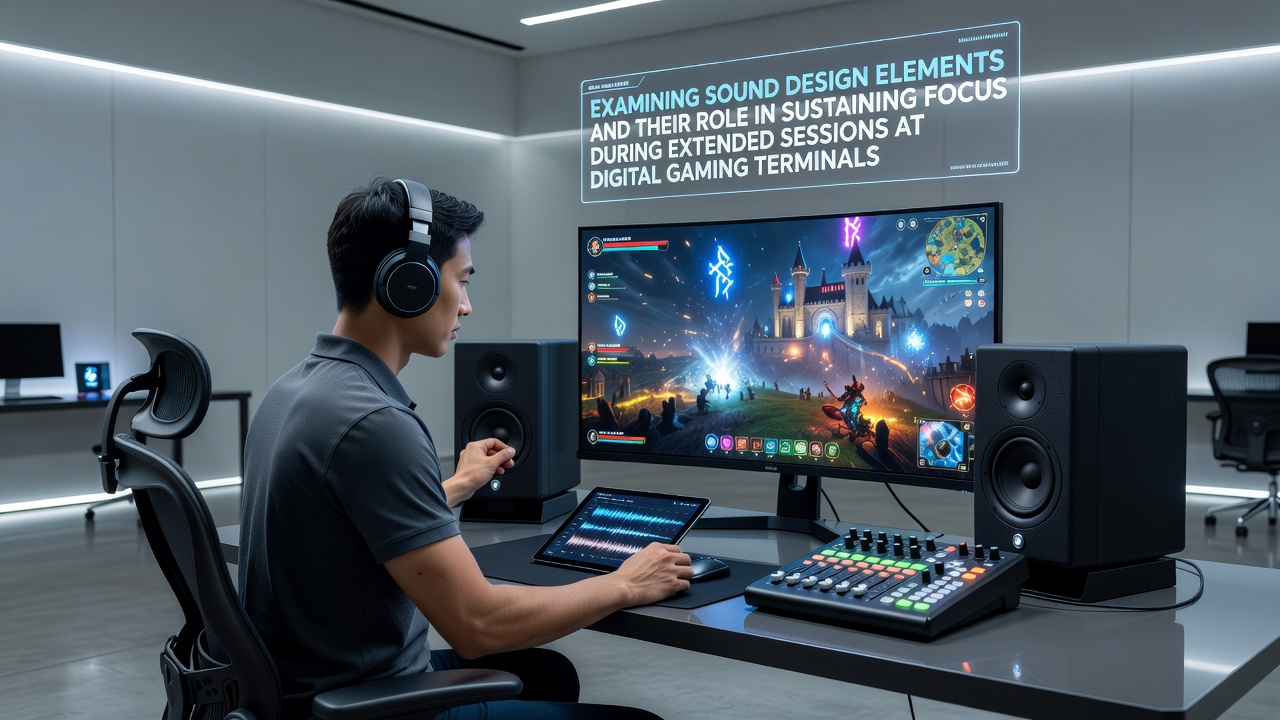
Digital gaming terminals rely on layered audio systems that combine ambient tones, win notifications, and rhythmic cues to shape the environment around each machine, and researchers have examined how these components interact with player attention spans during sessions that stretch beyond two hours. Studies from institutions in North America and Europe indicate that specific frequency ranges and volume modulations can reduce cognitive fatigue while maintaining engagement without overwhelming the senses.
Core Components of Sound Design in Gaming Terminals
Sound designers working with gaming manufacturers program distinct audio layers that include background loops, event-triggered effects, and progressive music shifts, while each element targets different aspects of auditory processing. Data from laboratory simulations show that low-frequency hums around 40 to 60 hertz help mask external distractions in busy venues, whereas higher-pitched chimes between 1,000 and 4,000 hertz signal wins and reinforce task continuity. Observers note that these frequencies align with human hearing sensitivity peaks, allowing the brain to register feedback quickly without requiring visual confirmation each time.
Volume curves adjust dynamically based on session length and win frequency, and software logs from terminals in regulated markets reveal that gradual increases in ambient intensity occur after roughly 45 minutes of continuous play. This adjustment coincides with documented attention dips in psychological testing, yet the rise stays below thresholds that trigger discomfort according to occupational health guidelines from Canadian provincial regulators. Engineers calibrate these shifts using player telemetry that tracks spin rates and pause intervals, creating a feedback loop that keeps auditory stimulation proportionate to activity levels.
How Audio Elements Interact with Cognitive Processes
Extended play sessions place demands on working memory and selective attention, and acoustic stimuli can either support or disrupt these functions depending on their predictability and variety. Research conducted at the University of Nevada Reno examined participants using terminals equipped with adaptive soundtracks and found that consistent rhythmic pulses around 120 beats per minute correlated with steadier response times across 90-minute trials. The same study recorded lower self-reported mental strain when soundscapes incorporated subtle variations rather than static loops.
Event-based sounds such as coin cascades or multiplier announcements serve as temporal markers that segment long sessions into manageable segments, and this segmentation appears to aid memory consolidation of recent outcomes. A separate analysis by Australian academic teams tracked eye movement and heart rate variability in controlled settings, revealing that well-timed audio cues helped players maintain visual focus on the screen even as physical fatigue indicators rose. These findings align with broader work on auditory scene analysis, where the brain groups related sounds into coherent streams that reduce overall processing load.
Regulatory and Technical Standards Guiding Audio Implementation
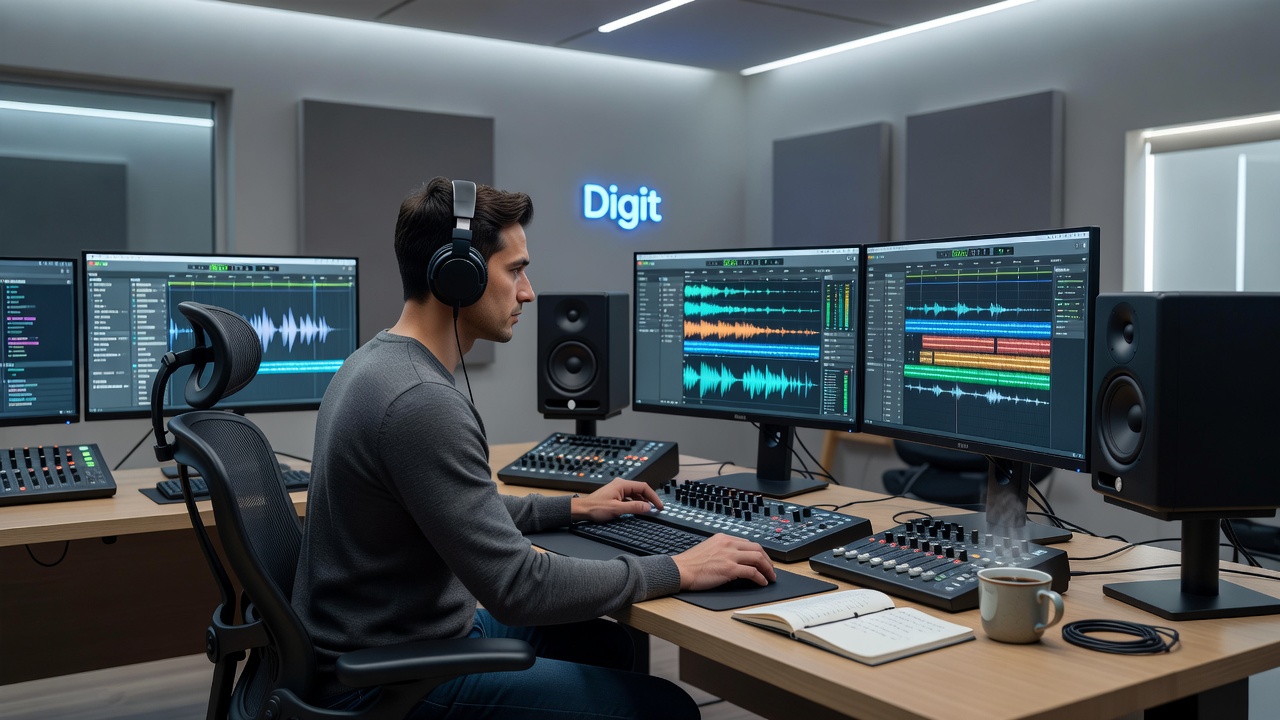
Gaming authorities in multiple jurisdictions set maximum decibel limits and require documentation of audio profiles before approving new terminal models, and compliance testing includes both objective measurements and subjective listener panels. Figures from the Singapore Casino Regulatory Authority indicate that approved machines must keep peak volumes under 85 decibels at one meter, a threshold derived from workplace noise exposure standards. Manufacturers therefore embed compression algorithms that prevent sudden spikes while preserving dynamic range for important signals.
Technical updates released in mid-2026 by several European testing laboratories introduced new protocols for evaluating how audio interacts with accessibility features such as adjustable volume sliders and visual sound indicators. These protocols require terminals to log audio settings alongside play data, enabling operators to review patterns that might correlate with prolonged sessions. Industry groups including the European Gaming and Betting Association have published technical briefs that outline best practices for balancing immersion with player comfort across different venue acoustics.
Practical Observations from Venue Deployments
Operators in large-scale facilities report that terminals with refined sound profiles experience fewer mid-session interruptions where players remove headphones or adjust settings, and maintenance logs show reduced service calls related to audio complaints. One installation in a North American resort integrated directional speakers that focus sound toward the player seat while attenuating spillover to adjacent machines, resulting in measurable improvements in overall floor sound levels during peak hours. Such configurations allow individual machines to deliver detailed audio feedback without contributing to venue-wide noise accumulation.
Player tracking systems capture dwell times and session durations alongside audio configuration data, and aggregated reports from multiple sites indicate that machines offering customizable sound options retain users for longer average periods when compared with fixed-profile units. These differences emerge most clearly after the first hour of play, when environmental adaptation becomes more relevant. Technicians continue to refine algorithms that respond to real-time occupancy data, lowering ambient layers when surrounding terminals sit idle and raising them during crowded periods to maintain consistent auditory contrast.
Conclusion
Sound design in digital gaming terminals functions through precise control of frequency, timing, and volume dynamics that align with documented patterns of human attention and auditory processing. Evidence gathered across laboratory and field studies demonstrates measurable associations between specific audio parameters and sustained performance metrics during extended use. Regulatory frameworks and technical standards continue to evolve in parallel with these findings, requiring ongoing measurement and adjustment by manufacturers and operators alike.